 KO
 EN
 FR
 ES
 JA
 PT
 ZH
 AR
 FA
 RU
 NL
 MS
 VI
 PH
 TH
 ID


USD – November Employment report to shake the USD
The USD remained rather stable amidst low volatility in the FX market over the past week, maybe the first after four weeks of consecutive gains. On a fundamental level, US President Trump’s intentions to impose new tarifs on products entering the US from various countries, tend to intensify the market’s wories for a new tariff war and if actually so, may create safe haven inflows for the greenback in the coming week. On a monetary level, the market seems to have almost fully priced in a rate hike in the Fed’s December meeting, yet it also seems to expect another one in the January meeting.
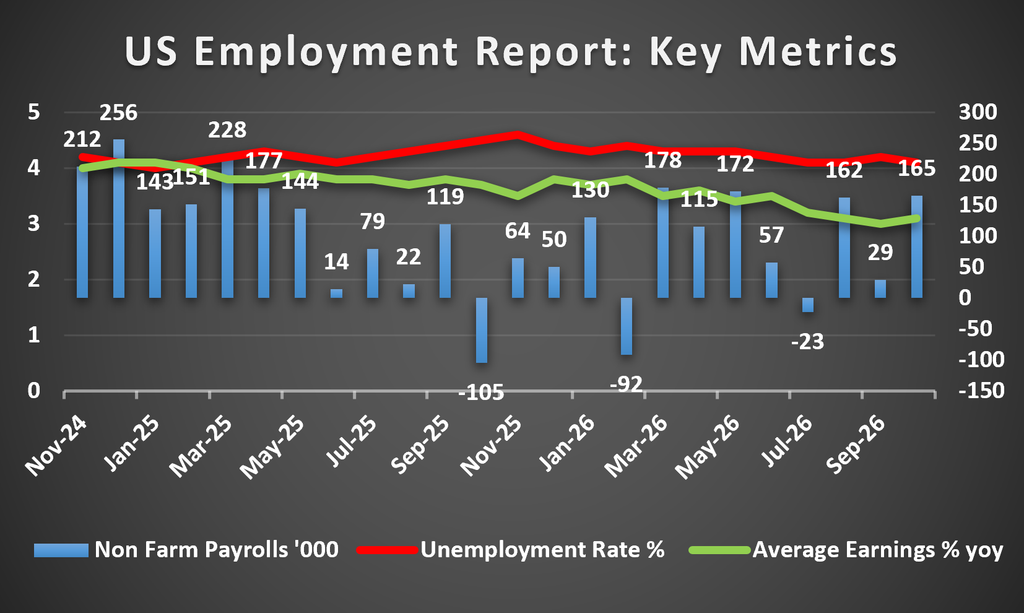
Overall the market’s hawkish expectations seem to be supportive for the USD and a possible intensification of the market’s hawkish expectations could lift the grenback. On a macroeconomic level, we note the release of US ISM manufacturing and non manufacturing PMI figures for November on Tuesday and Thursday respectively. A possible rise of the indicator’s readings could signal a faster expansion of economic activity in the US economy, thus providing some support for the USD. Also we note the release of the US Factory orders for October on Thursday, yet the highlight of the week is expected to be the release of the US employment report for November next Friday. A possible tightening of the US employment market could lift the USD as it could enhance the market’s allready hawkish expectations for the Fed. But, should the data show a looser than expected US employment market, we may see the USD drifting lower.
JPY – BoJ’s intentions expected to be key for JPY
In the Far East, JPY seems to be relenting the gains made the week before, as it is in the red against the US, the EUR and GBP, in a sign of wider weakness. It should be noted that JPY remains weak despite BoJ’s Tamura calling for a faster monetary policy tightening during today’s Asian session. Overall, market expectations for BoJ raise rates, seem to be high as JPY OIS imply a probability of 71.3% for such a scenario to materialise in the December meeting. We note that Tokyo’s CPI rates tended to edge higher for November, with the megacity’s core inflation rate reaching 2.9%yy, a level not seen since July 25. The acceleration of Tokyo’s core CPI rate tends to act as a preview for inflationary pressures on a nationwide level, given the size and population density of Tokyo.
Also, it implies a possible entrenchment of inflationary pressures in the Japanese economy, adding more pressure on BoJ to act. On Monday, BoJ Governor Ueda is scheduled to speak and we expect him to sound hawkish, possibly reiterating BoJ’s narrative for the necessity of further monetary policy tightening as inflation is beyond the bank’s 2% target. Yet Mr. Ueda sounding hawkish may not suffice to move the Yen he may have to be convincing and more specific for the bank’s intentions to see the Yen getting some support. On a macroeconomic level, we note the release of Japan’s preliminary industrial output for October which may provide some support for JPY should it accelerate, as it could imply a faster expansion of economic activity in the sector.
CAD – November’s employment report in focus
The Loonie is in the greens against the USD for the first time, after three consecutive weeks of losses. The highlight of the coming week is expected to be the release of Canada’s November employment data, next Friday. October’s employment data remained quite soft with the unemployment rate jumping to 6.7%, taming a bit, any ideas of monetary policy tightening by BoC. Should we see the November employment data showing a tightening of the Canadian employment market we may see Loonie traders enhancing their hawkish expectations and thus allowing for the CAD to get some support. Vice versa should the employment data show again a weak Canadian employment market we may see the CAD losing ground.
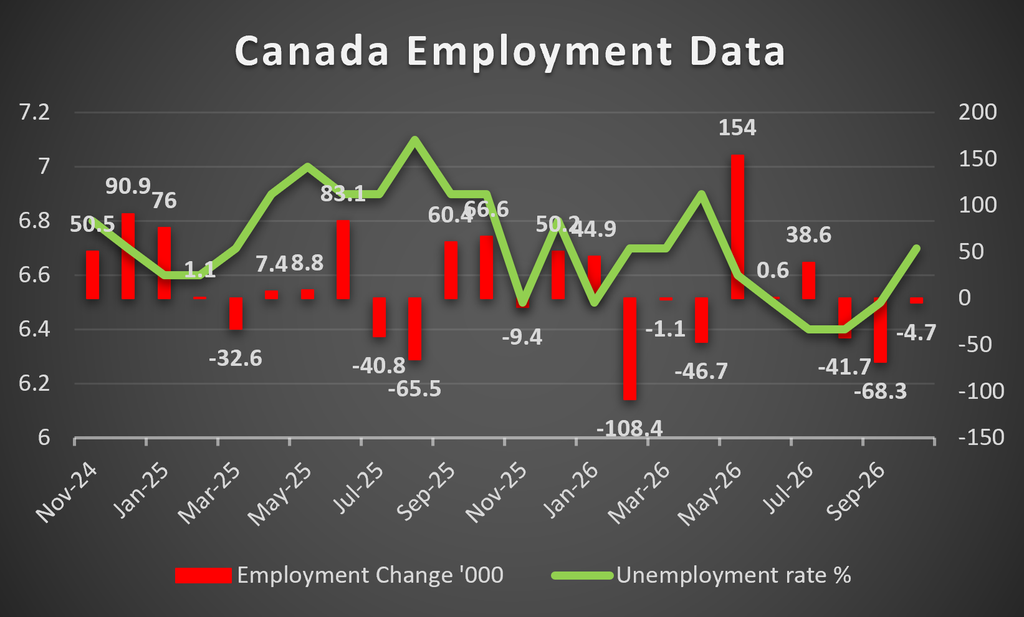
Currently market expectations are for BoC to proceed with a rate hike on the 9 of December. Such expectations tend to be supportive for the CAD, yet we have to note that inflationary pressures failed to materially accelerate in October, which may ease the pressure on BoC to act. Nevertheless we note BoC Governor Macklem’s speech last Tuesday, at which he suggested that according to a survey of the bank upward price pressures are to be persistent, which could be interpreted also as a hawkish predisposition of the bank. On a macroeconomic level, we also note the release of Canada’s GDP rates for Q3, on Monday and a possible acceleration of the rate could provide some support for the CAD and vice versa.
US Equity markets – Recovery underway
US stock markets seem to recover some ground after the wide losses of the precious week. It’s characteristic how major US equity indexes like the Dow Jones, S&P 500 and Nasdaq are all in the greens for the week. Market worries for the tech sector and the development of AI seem to have eased, allowing US equities to rise. The AI trade seems to be gaining momentum as the week is about to come to a close, yet we have to note that the main fundamental issues for US tech shares, like the high CapEx expenditure required for the development of AI and rising debt servicing costs, remain unanswered and could drag US equities lower once again should the market worries intensify.
It should be noted that worries for NVIDIA tend to persist despite Jensen Huang being reinstated. Headlines that it’s halting server shipments to four South-East Asian destinations and that S&P considers that NVIDIA’s Board may be compromised, considering a downgrade, could weigh further on its share price. Some attention may also be shifted towards retailers given that today is Black Friday, as should they achieve higher sales as the Christmas period is about to begin, we may see their share prices getting some support. Also we note the intention of US President Trump to impose new sanctions on goods entering the US, which could stir new worries among investors as the threat of a new trade war appears on the horizon.
Gold – The bearish movement seems to be halted
Gold’s price edged higher after hitting a 14-month low. The Thanksgiving holiday may have provided some respite for gold bears, yet the fundamentals guiding the precious metal’s price seem to remain bearish. Rising US yields and hawkish market expectations for the Fed could renew bearish tendencies for the precious metal’s price, while gold buying from central banks taking advantage of the low prices, could lift gold’s price.
We note as the next big test for gold’s price the release of the US employment report for November next Friday with the possible effects on gold’s price being in the reverse than the USD. A possible tightening of November’s US employment market could weigh on gold’s price as it could enhance the market’s allready hawkish expectations for the Fed. Yet should the data show a looser than expected US employment market, we may see gold’s price extending its gains.
Oil – OPEC comes into play
Oil prices continued to rise, halting their drop for the week, with market worries for the escalation of tensions in the Gulf region, pushing oil prices higher. Houthi forces hit Saudi Arabia’s largest oil refinery while an oil tanker hit a sea mine, catching fire, and both incidents increased the geopolitical uncertainty premium on oil prices. Should market worries intensify further, oil prices may rise, while a possible easing of market worries, given the oil production surplus for the year narrative, could weigh on oil prices. On Sunday, OPEC+ is to meet and discuss oil production levels for Q127.
We expect OPEC+ to roll over oil output targets, while in the backdrop, forecasts for surplus oil production tend to weigh on oil prices. Kazakhstan and Iraq seem willing to increase oil production, and are dissatisfied with the limits set on oil production by OPEC, thus tend to act as forces pushing for an expansion of oil production limits set by OPEC. Also, reports state that the US pushes Iraq and Venezuela to leave OPEC, a scenario that could weigh considerably on oil prices, as it would open the gates for the two oil producing economies to increase production considerably, while also could signal a dilution of the control OPEC exercises on global oil production.
고지 사항: This content is for general informational and educational purposes only and should not be considered investment advice or investment recommendation.


